
The athletes who perform best at the start of a season aren’t the ones who trained hardest in the summer. They’re the ones who used the winter well.
But winter makes that hard. Cold weather, shorter days, and the holidays pull training off track, and workouts that were routine in the fall suddenly feel optional.
Then the next season arrives. Mileage climbs, practices ramp up, and your load spikes faster than your body can adapt. As we covered in our October blog on how injuries develop, that mismatch between load and capacity is where problems start.
The good news? The winter months aren’t a break from progress. They’re where strength, mobility, and movement quality get built, so your body is ready for what’s coming.
At Bull Dawg, we see winter as your window to build strength, fix weak links, and start your next season ahead.
What Changes When Training Moves Indoors
Every winter, we hear the same thing from athletes at Bull Dawg: “I was doing great in the fall, and then life got in the way.” When training moves indoors, it doesn’t just get colder. It changes, and those changes can quietly affect how your body moves.
Less variety. Outdoor runs, pickup games, and weekend activities give way to the same indoor routine, or nothing at all. Doing the same routine every week means the same muscles do most of the work, while others barely get used. That imbalance is where small compensations start.
Cold muscles need more prep. Chilly mornings and cold gyms make it harder for your body to move well right away. That’s why at Bull Dawg, we emphasize dynamic warm-ups, especially this time of year. Before any workout, try this five-minute routine:
1-2 minutes of marching in place or light cardio
10 leg swings per side
10 bodyweight squats
10 glute bridges
5 walking lunges per side
10 arm circles forward and back
The holiday disruption. Travel, packed schedules, and long days of sitting can interrupt even the most consistent routine. We don’t want you to feel like you have to choose between a perfect workout and nothing at all. Small, regular movement beats occasional big workouts. Ten minutes most days does more for your body than one long session every couple of weeks.
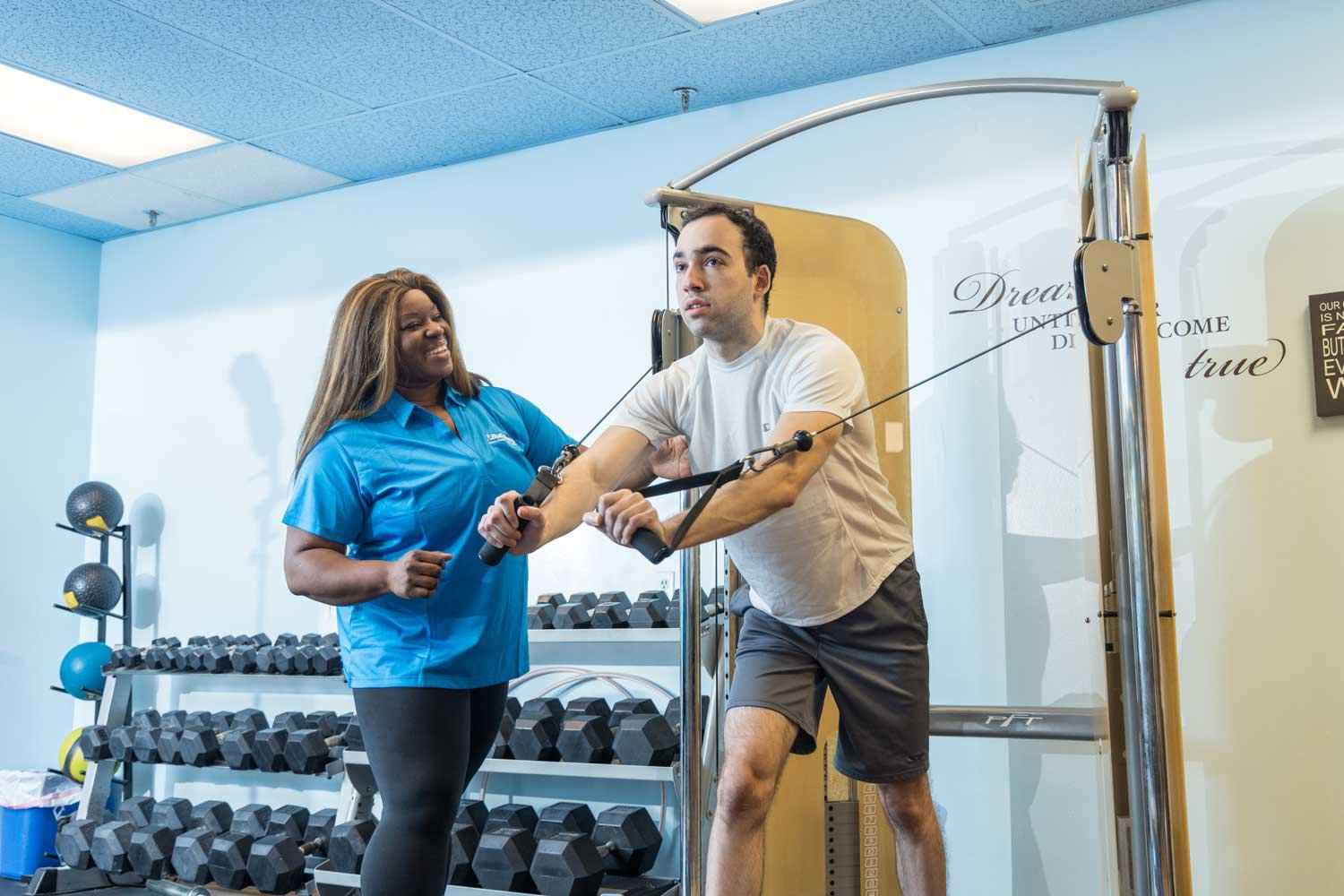
How to Use the Winter Months: Maintain, Don’t Max Out
Build strength. Aim for two days a week, using just your bodyweight and resistance bands. Try squats, split squats, glute bridges, band rows, push-ups, calf raises, and planks, for 2-3 sets of 8-12 reps. Quality beats quantity, so keep each rep clean and controlled.
Find your weak links. Your body is a connected system. When one area isn’t doing its job, another area often picks up the slack, which can hide what isn’t working. These quick self-checks can show you where to focus:
Sit-to-rise test: Lower yourself to the floor and stand back up using as little support from your hands as you can. Pushing off or wobbling can point to strength, mobility, or balance limits.
Single-leg balance: Stand on one leg for 30 seconds, then switch. Notice whether one side is shakier or your knee collapses inward.
Heel-lift squat test: Do a bodyweight squat, then repeat it with your heels on a small book. If the second squat feels much easier, limited ankle mobility may be the issue.
These checks aren’t a diagnosis, and you should stop if anything causes pain. But if something feels off, that’s useful information, and it’s exactly what we look at in a movement assessment.
Maintain, don’t max out. Winter isn’t the time to chase peak performance. Keep a base level of conditioning with easy cardio and cross-training, so your next season builds on your fitness instead of rebuilding it.
Winter Training by Athlete
Winter looks different depending on where you are in your season. Here’s where to focus.
Off-season athletes. If your season just ended or hasn’t started yet, whether you’re a runner coming off the Marine Corps Marathon, a fall sport athlete, or a spring sport athlete a few months out, winter is your window to build. Start with strength and movement quality, especially your hips, glutes, and calves, and add training volume gradually.
Winter sports athletes. Basketball, wrestling, and swim seasons are starting now, which makes this the time to prepare. Focus on ankle, knee, and shoulder strength so your body can handle the demands of practices and competition.
Active adults and desk workers. Long days of sitting take a toll, and winter makes it easier to stay put. Use the indoor months to undo the effects of sitting with regular movement and strength work, and build habits that last into spring.
Start Your Next Season Ahead With Bull Dawg
A few months of focused strength and movement work pays off all year. The athletes who show up ready aren’t the ones who found extra time in the spring. They’re the ones who used the winter well.
Don’t hibernate. Recalibrate.
Ready to make this winter count? Contact Bull Dawg Athletic Training and Physical Therapy in Arlington, VA to schedule a movement assessment. We’ll look at how your entire body is moving, find the weak links, and build a personalized plan so you start your next season ahead.