
Bull Dawg's Guide to Building a Strong Pelvic Floor
At Bull Dawg, we have the privilege of helping people move better, feel stronger, and return to the activities they love. One thing we hear time and time again when someone walks through our doors is:
"My back hurts."
"I leak a little when I run."
"I thought that was normal after having kids."
What surprises many people is that these concerns can often be connected to a part of the body they rarely think about—the pelvic floor.
Before you stop reading because you think this only applies to new moms, hear us out. Everyone has a pelvic floor. Men, women, athletes, desk workers, and weekend warriors all rely on these muscles every day, and they play a much bigger role in your health and movement than most people realize.
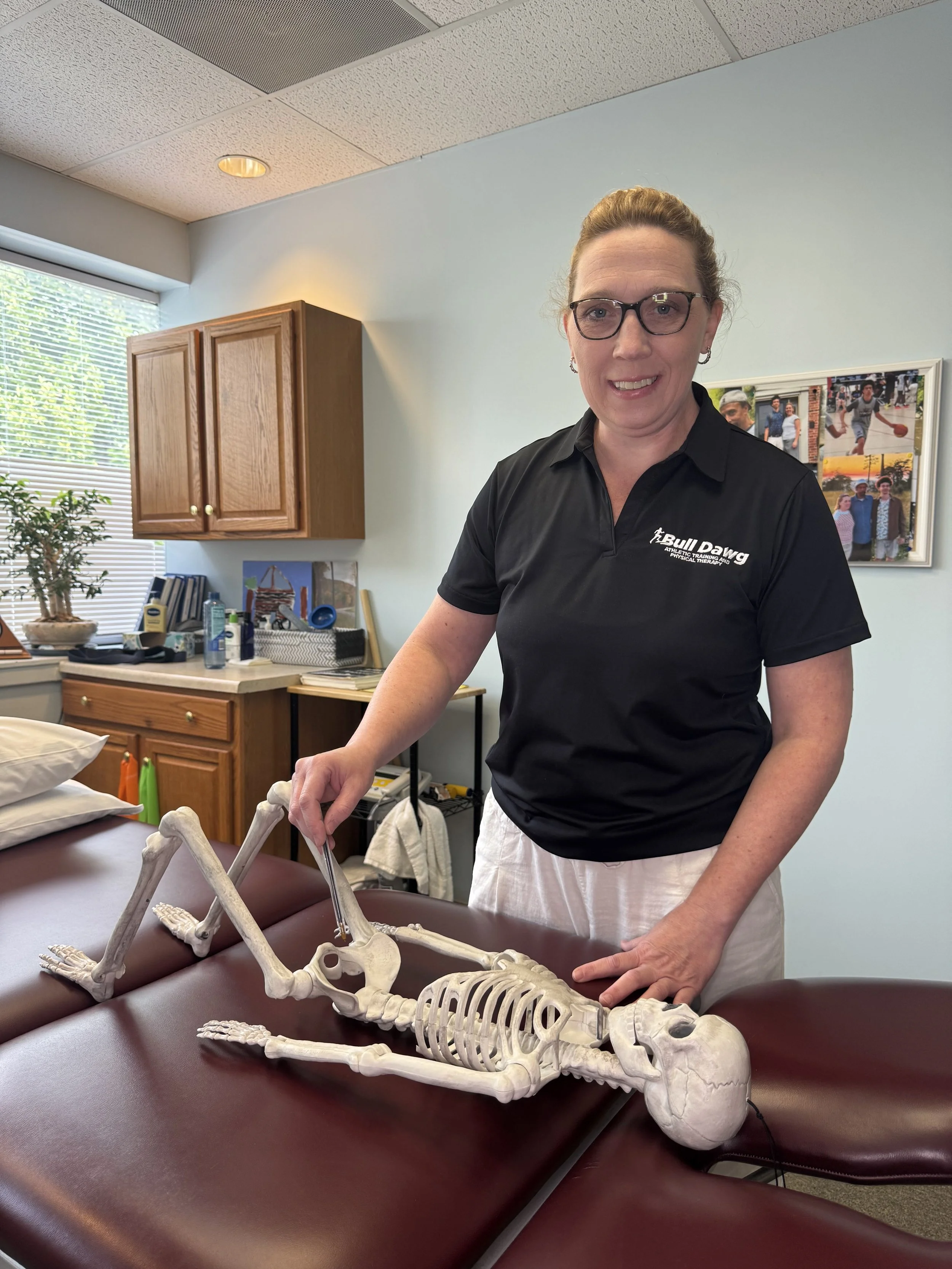
Your Body's Hidden Foundation
We understand the importance of building a strong foundation for movement. Your pelvic floor is a key part of that foundation, providing the stability your body relies on every day. When this support system isn't functioning efficiently, other muscles and joints often have to work overtime, which can lead to strain, discomfort, and pain.
Your pelvic floor works together with your core and diaphragm to support movement, balance, breathing, and overall stability. When these systems are working in sync, you rarely notice them. But when they're not, your body often lets you know through pain, weakness, or changes in function.
Signs Your Body Might Be Telling You Something
One of the most common conversations we have with our patients involves symptoms they've been living with for months or even years:
Leaking when you laugh, cough, or work out
Feeling like you’re always running to the bathroom
Achy lower back, hips, or pelvic area
Exercise that feels uncomfortable instead of good
Trouble fully emptying your bladder or bowels
Changes in sexual function for men
A lot of people assume these are just part of life, aging, or having kids. But more often than not, they’re signals that something in your pelvic floor system needs attention.
How Physical Therapy and Pilates Can Help
Pelvic floor therapy is really about helping your body coordinate the way it was designed to move—especially when it comes to breathing, core control, and pelvic floor function.
Breathing is a big piece of the puzzle. It connects everything.
With a mix of physical therapy and Pilates-based principles, we help people:
Learn how to use their breath to support movement
Get the pelvic floor and core working together
Move through daily life and exercise with less strain and more control
When that connection improves, people often feel it in their back, their workouts, and even in simple things like lifting or bending.
The Bull Dawg Approach
One of the best things about our team is that we don't just focus on symptoms—we focus on helping people move better and with more confidence.
Through physical therapy, pilates, and personalized training, we help patients:
Improve breathing and core coordination
Restore pelvic floor function
Build strength safely
Move more efficiently during daily activities and exercise
Return to the activities they love with greater confidence
Whether you're recovering after pregnancy, training for a race, managing chronic pain, or simply trying to stay active, the goal is always the same: helping your body work the way it was designed to.